
Tijuana River Sewage Crisis
Beach Pollution Needs a Solution
The Tijuana River sewage crisis has lasted for decades. It closes beaches, affects neighborhoods and businesses, and creates health concerns for residents and visitors. Learn what is causing the crisis and what Measure B would fund.
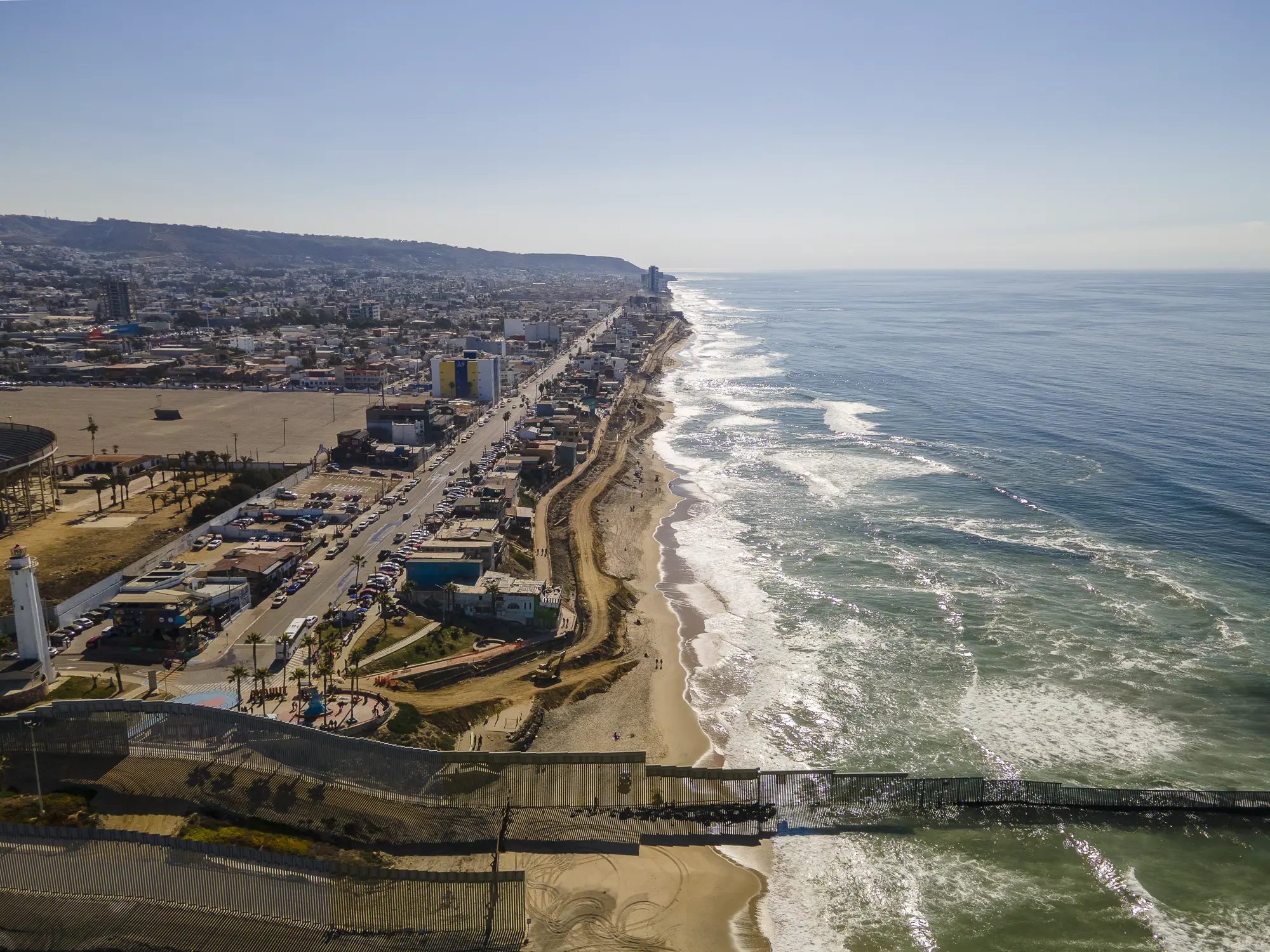
What is the Tijuana River Sewage Crisis?
For decades, sewage, polluted runoff, dirt and trash have flowed through the Tijuana River watershed. This pollution affects South Bay air, water, beaches and nearby communities.
The Issue at a Glance
The Tijuana River sewage crisis affects more than the river.
Polluted water moves through neighborhoods and into the ocean. It can lead to poor water quality, frequent beach closures and pollution in the air. Nearby residents have also reported health problems.
Families, schools, workers, businesses and visitors in Imperial Beach, San Ysidro and other South Bay communities feel these effects directly.
The crisis has several causes. They include old wastewater systems, population growth and the challenge of managing a river that crosses the U.S.-Mexico border.
The U.S. and Mexico have invested hundreds of millions of dollars in wastewater projects. Experts say more long-term funding, maintenance and coordination between both countries will still be needed.
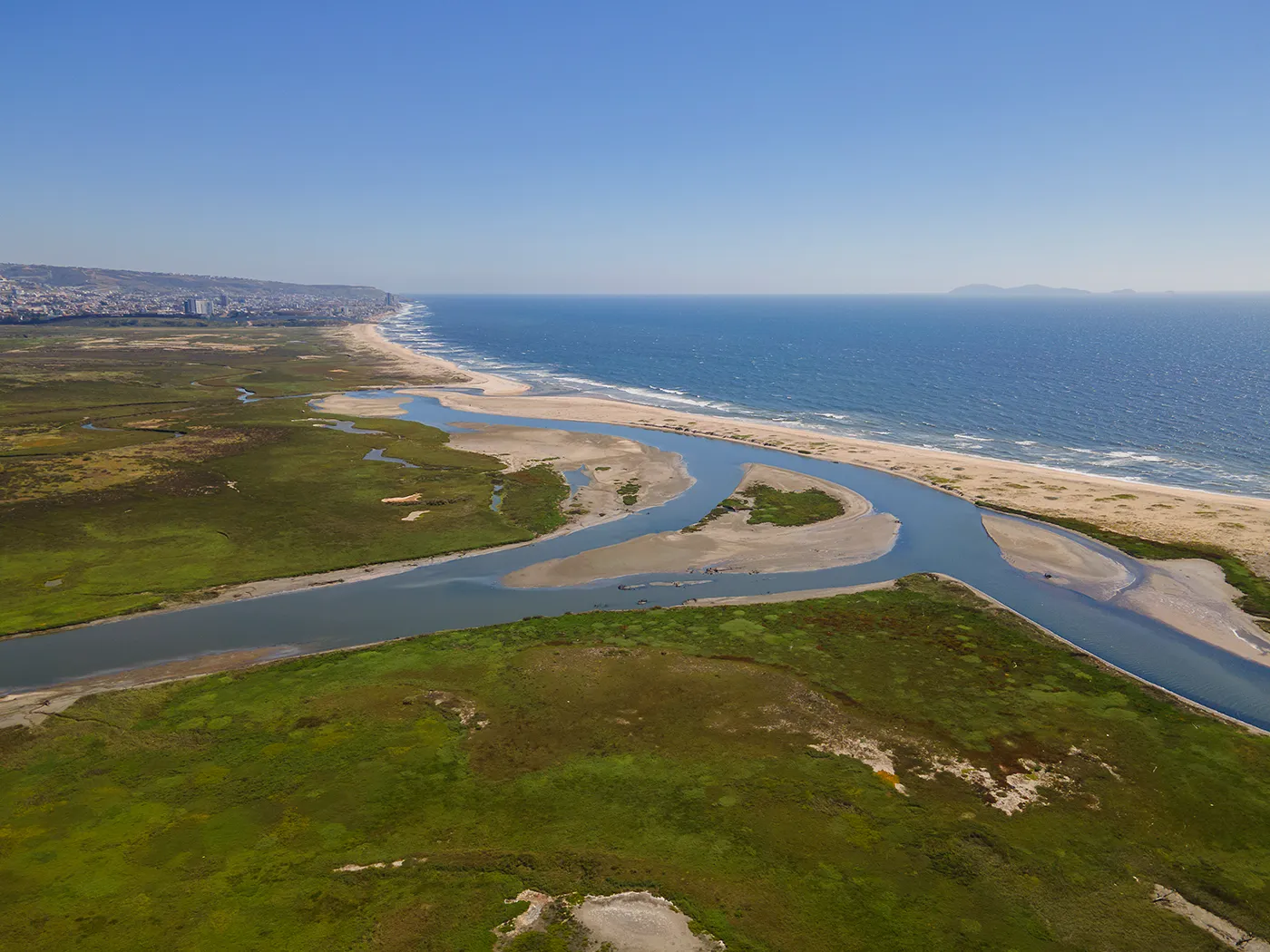
The Tijuana River sewage crisis has affected South Bay communities, beaches, water quality and health for decades.
Of surveyed households in 2024 reported health problems they linked to Tijuana River pollution.
See Source
Days Imperial Beach was closed in 2025 because of polluted cross-border flows, including stormwater, sewage and industrial pollution.
See Source
The air we breathe
Residents report headaches, nausea, breathing problems and other health concerns linked to Tijuana River pollution. Pollution in the air can affect children at nearby schools, outdoor workers and people who live close to the river.
Our beaches and coast
Polluted water can lead to frequent beach closures across the South Bay. These closures affect swimming, surfing, summer programs and other activities along the coast.
Families, Schools and Businesses
Pollution can disrupt daily routines and affects neighborhoods, schools and local businesses. Beach closures also affect recreation, tourism and the broader South Bay economy.
Understanding the Tijuana River Sewage Crisis
Causes, Health Impacts & Potential Solutions
Wastewater Infrastructure
Projects to capture, treat or reduce sewage before it reaches local communities and beaches.
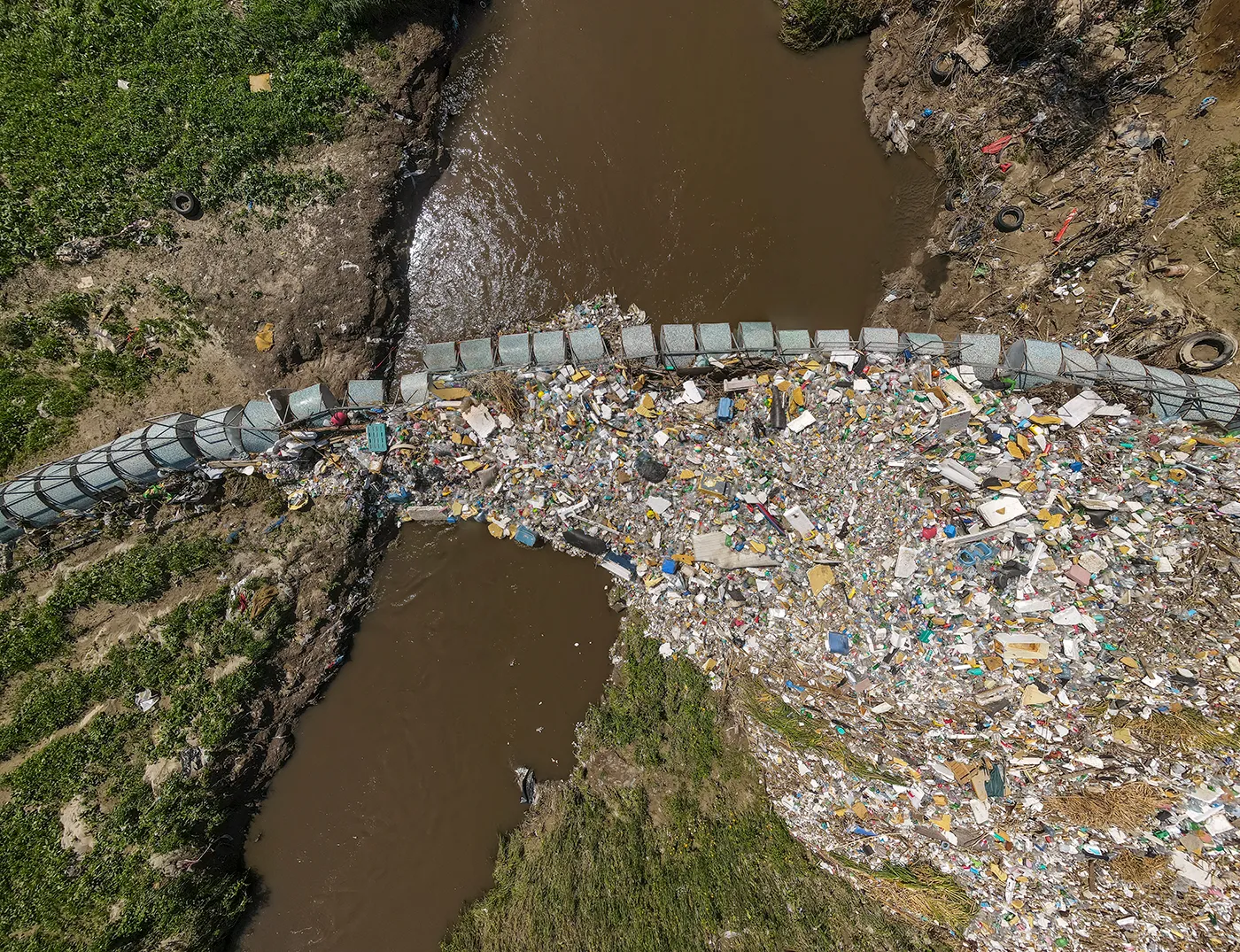
Sediment and Trash Removal
Projects and ongoing work to remove polluted dirt, debris and trash before it reaches communities, wetlands and beaches.
Habitat Restoration and Water Quality
Projects to restore habitats, improve water quality and strengthen the watershed’s ability to manage pollution.
Emergency Health Impacts
Programs that respond to health problems linked to the crisis.
Voter Considerations
Voters may think about questions like these:
- Who should pay for and manage the cleanup - the U.S., Mexico, the county or local governments?
- Should local taxpayers help pay for a problem that also involves federal and international responsibility?
- Is an ongoing local tax the right way to pay for long-term projects and maintenance?
- How could local funding work together with money already coming from the U.S. and Mexico?
- What results can the county reasonably deliver when it does not control every source of pollution?

FAQs
The crisis has many causes. They include old wastewater systems, untreated sewage, polluted runoff, dirt, trash, population growth and stormwater. Because the river crosses the U.S.-Mexico border, agencies in both countries must work together.
Residents report headaches, nausea, breathing problems and other health concerns linked to the pollution. Polluted air can affect nearby neighborhoods and schools. Polluted water can also create health risks for people who enter the ocean. Researchers are still studying long-term effects.
Polluted water from the Tijuana River can reach the Pacific Ocean. Public agencies close beaches when tests show the water may not be safe for swimming, surfing or other water activities.
The U.S. and Mexico have invested hundreds of millions of dollars in wastewater projects and treatment systems. More work is underway. Long-term progress will also depend on maintenance, more funding and continued cooperation between agencies and both countries.
Measure B could fund wastewater projects, trash and debris removal, habitat restoration, water quality work and health-related responses. Up to 22.5% of Measure B revenue could go to this issue. At least 20% of total Measure B revenue would have to go toward projects designed to stop sewage flows.
No. Measure B would provide local funding for projects, but the County would not control every source of pollution or every wastewater system. Results would also depend on how projects are built, maintained and coordinated with other governments and agencies.
Get the facts. Stay informed.
Sign up for Measure B updates, research and community stories from San Diego Foundation.