
Understanding the Tijuana River Sewage Crisis: Causes, Health Impacts & Potential Solutions
Written By:
San Diego Foundation
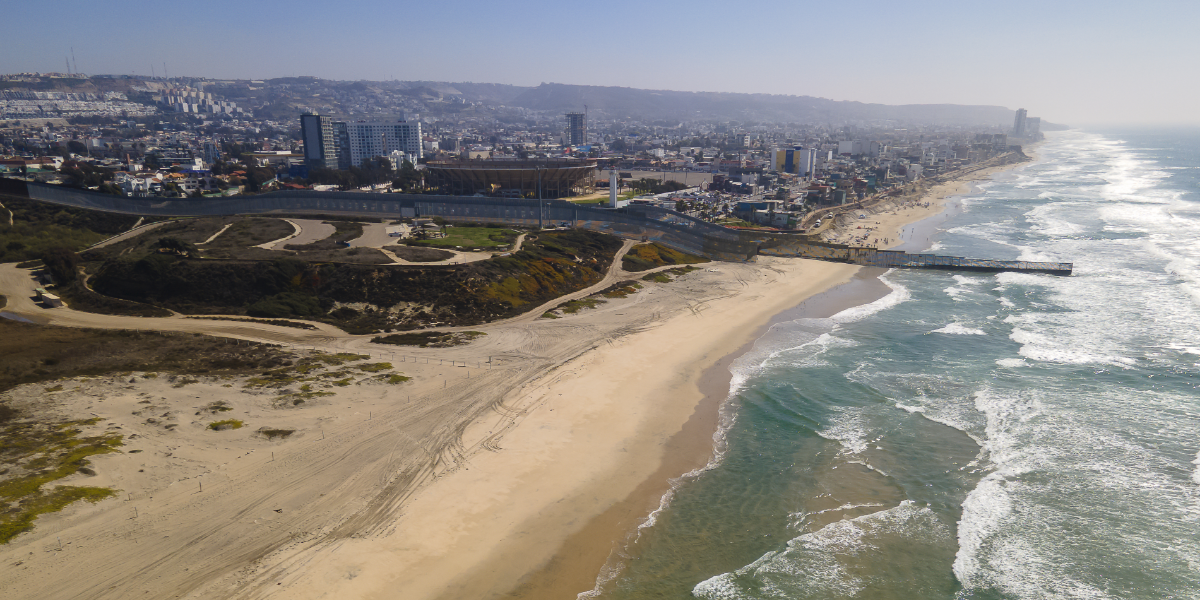
Table of Contents
This article is part of a series from San Diego Foundation that provides voters with an independent and objective explanation of the issues Measure B focuses on and how it could affect San Diego County communities.
In Brief
- The Tijuana River sewage crisis is a decades-long cross-border environmental and public health emergency.
- Aging infrastructure, population growth, stormwater and inadequate maintenance are among the primary causes.
- The crisis affects public health, ecosystems, beaches, air quality and local economies.
- Governments, nonprofits and researchers are pursuing infrastructure improvements, policy changes and long-term funding.
- Lasting progress will require sustained investment and continued U.S.-Mexico cooperation.
What Is the Tijuana River Sewage Crisis?
The Tijuana River sewage crisis is a decades-long cross-border environmental and public health emergency caused by failing wastewater infrastructure, untreated sewage, stormwater runoff and the challenges of managing a shared watershed between the United States and Mexico. It affects beaches, air quality, ecosystems and public health throughout South San Diego County. Long-term solutions require sustained investment, infrastructure upgrades and binational cooperation.
The crisis has several contributing causes, including sediment and debris that clog rivers and sewer systems during heavy rains, untreated sewage and trash from neighborhoods in Tijuana that lack adequate infrastructure, and aging wastewater treatment systems that cannot keep up with a growing population.
The result is one of the most polluted waterways in the United States that for decades has been serving as a conduit for contaminants. Non-stop pollution has led to nearly 1,300 consecutive days of California beach closures. Researchers have also documented how contaminated water can become tiny airborne droplets that carry toxic hydrogen sulfide—the rotten egg odor many people notice, which at elevated levels can be harmful—as well as other hazardous gases into the air we breathe. A new peer-reviewed study published in Science found peak hydrogen sulfide concentrations thousands of times higher than those typically found in urban areas.
While significant investments and infrastructure projects are underway, experts agree that long-term progress will require sustained funding, ongoing maintenance and continued collaboration among governments on both sides of the U.S.-Mexico border.
Why This Issue Matters
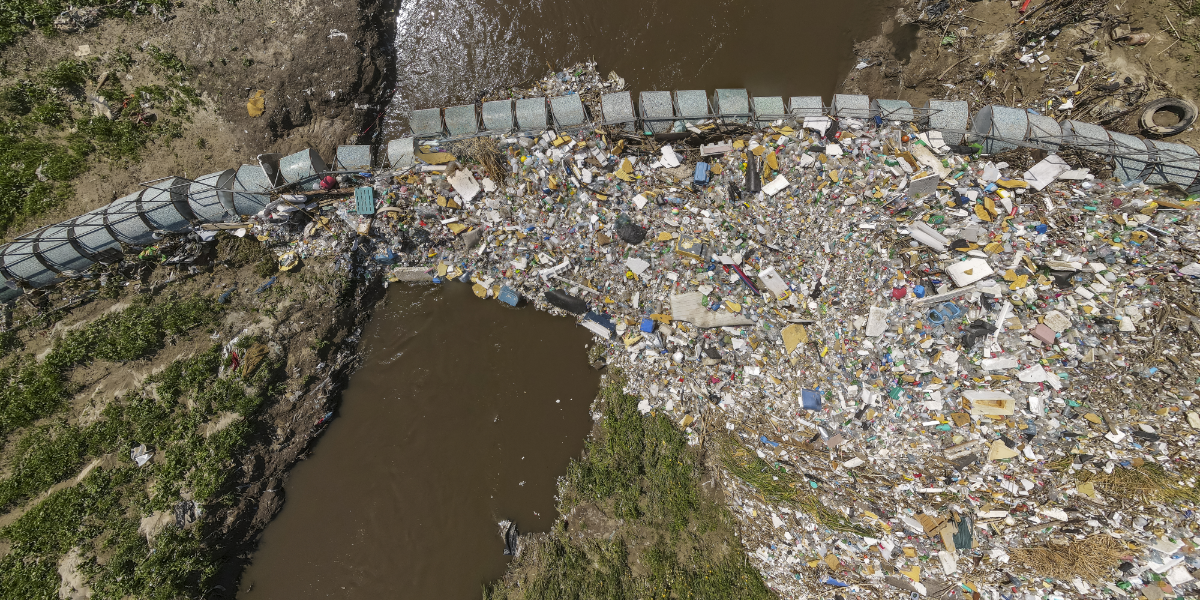
The Tijuana River Sewage Crisis can be just as accurately referred to as the Cross-Border Sewage Crisis, as the Tijuana River watershed spans approximately 1,750 square miles across San Diego County and Baja California, making it one of the largest binational watersheds in North America.
For those thinking this is Mexico’s problem to fix alone, a major factor fueling the crisis are the millions of gallons of untreated, chemical-laden, industrial waste discharged in the Tijuana area. Overwhelmed treatment plants, including the South Bay International Wastewater Treatment Plant in San Ysidro, are among other factors leading American Rivers to name the waterway on its America’s Most Endangered Rivers list.
And the impacts aren’t confined to those living at the border.
A 2026 Science Direct study found that not only those who live in the area, but also who work and visit there, are exposed to contaminated coastal waters—including those along San Diego beaches—associated with gastrointestinal, dermatological and respiratory illnesses.
Today, the crisis is one of the biggest environmental and public health challenges facing the San Diego region. Solutions exist, but because the watershed crosses an international border, governments on both sides must work together if solutions are to be realized.
Key Facts About the Crisis
- The problem has persisted for decades.
- The watershed spans both the United States and Mexico.
- Wastewater infrastructure challenges exist throughout the region.
- Beach closures have become common in some coastal communities.
- The crisis affects public health, environmental quality and economic activity.
- Multiple agencies and governments are involved in response efforts.
Why Has the Tijuana River Sewage Crisis Lasted for Decades?
One reason the crisis has proven difficult to solve is that it is not the result of a single event, spill or infrastructure failure. Instead, experts point to a combination of factors that have developed over many years, including aging infrastructure, population growth, deferred maintenance, inadequate treatment capacity and the complexity of managing a shared watershed that crosses an international border, not to mention a lack of sustained funding to carry out needed infrastructure improvements.
Aging and Overburdened Infrastructure
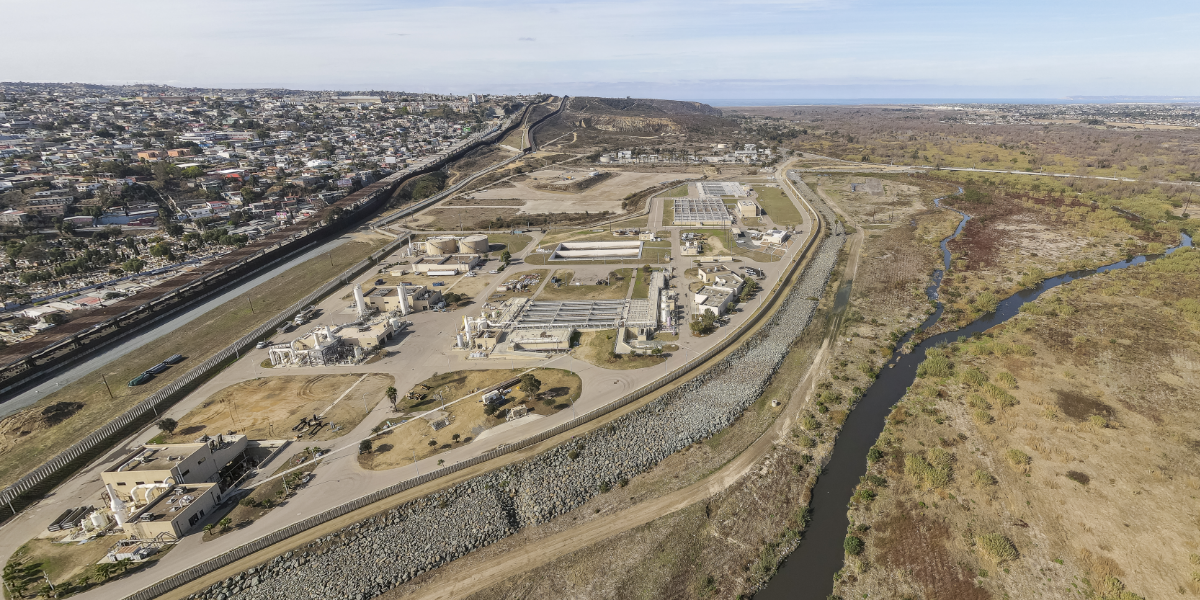
Many wastewater collection, pumping and treatment systems throughout the watershed require repairs, upgrades or expansion. Deferred maintenance has left the region struggling to keep pace with population growth and changing environmental conditions.
One example: The South Bay International Wastewater Treatment Plant began operations in 1997 through joint funding to treat wastewater from Tijuana. The plant, however, needs close to $900 million for needed updates and repairs. Some $600 million had been allocated as of 2025, but it remains insufficient to fully address the region’s wastewater infrastructure needs.
Deferred Maintenance
Wastewater systems require ongoing maintenance to remain reliable. When repairs are delayed or systems age beyond their intended lifespan, the risk of failures and overflows can increase.
As highlighted in Gran Visión Tijuana 2020, Tijuana’s wastewater system is in bad shape. Much of the infrastructure is dilapidated and unable to keep up with current demand—from the pipes that collect sewage to the pumps and treatment facilities. More than three-quarters of the sewer network is in need of urgent repairs. Most of the main pipelines, many built before 1990, are either damaged or past their usable life, with 55 out of 72 needing immediate attention.
According to a 2025 study, Tijuana’s sanitation system includes more than 2,360 miles of sewer mains, 57% of which are failing due to wear and tear that can result in runoff into the Tijuana River.
Cross-Border Coordination
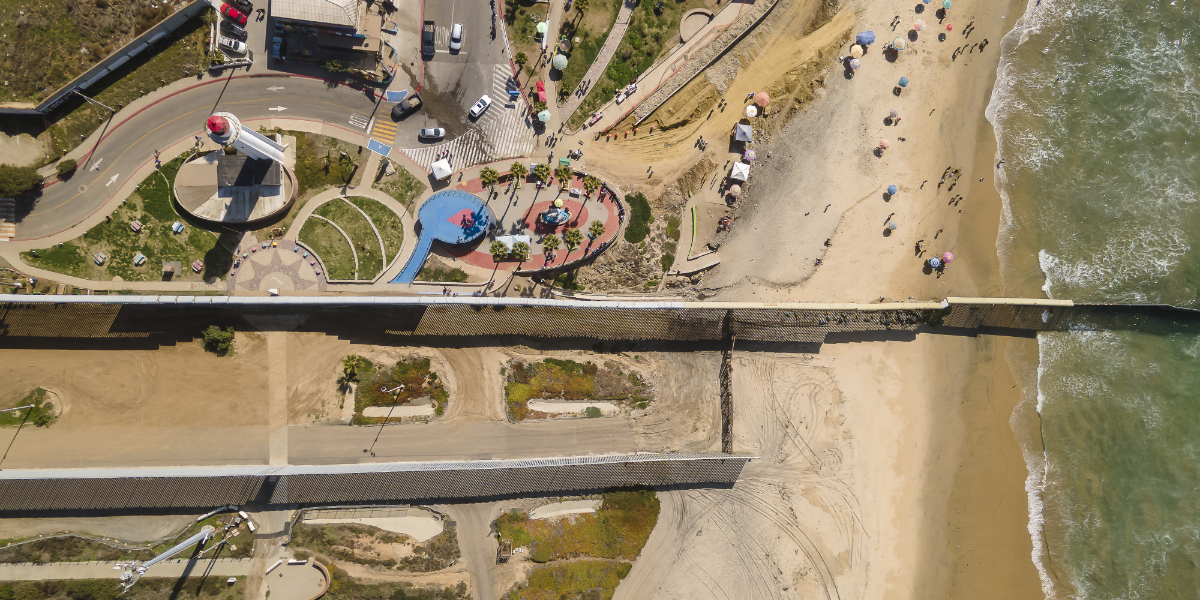
Because the watershed spans two countries, solutions require coordination among local, state and federal entities in both the United States and Mexico. Some notable progress has been made.
A 2026 San Diego Regional Chamber of Commerce report, commissioned by the Prebys Foundation, includes a look at the long history of U.S.-Mexico efforts to manage shared water and sanitation problems under a 1944 treaty overseen by a joint boundary and water commission.
A 2021 agreement known as Minute 328 focused on modernizing Tijuana's wastewater infrastructure and improving coordination between the two countries. Earlier trade-era cooperation programs and cross-border development financing drove real progress, expanding wastewater collection and treatment in Baja California and other border states, and U.S. investment helped push Mexico's federal government to prioritize the region. Still, weak operations, maintenance and governance have eroded those gains.
After about a decade of relative stability with minimal cross-border flows, neglected maintenance and delayed repairs to Tijuana's wastewater systems have caused repeated failures and rising transboundary flows since 2016—undoing much of what earlier cooperation achieved.
Other efforts include, but are not limited to, the Enterprise for the Americas Initiative Act of 1992 that aimed to increase trade and was established by the Good Neighbor Environmental Board (GNEB). In its work as a federal advisory committee, the GNEB advises the President and Congress on environmental issues, infrastructure needs and good neighbor practices in the states on the border. Among the solutions proposed in a comprehensive report compiled by researchers affiliated with the Friends of the GNEB are:
- Increasing funding for environmental infrastructure through programs like the U.S. Environmental Protection Agency’s Water Infrastructure Fund, the Border Environment Infrastructure Fund and the North American Development (NAD) Bank.
- Strengthening binational environmental programs first laid out under the La Paz Agreement, a landmark 1983 environmental pact between the United States and Mexico, which has helped address shared environmental challenges.
- Promoting a more positive image of the border region as a hub for innovation and opportunity.
- Expanding public-private partnerships to support development efforts.
Funding Challenges
Large wastewater infrastructure projects are expensive and often require long-term investment. Experts frequently identify reliable funding and ongoing maintenance as essential components of any lasting solution.
Timeline
The International Boundary and Water Commission, or IBWC, was established by the 1889 and 1944 Boundary and Water Treaties between the United States and Mexico. Subsequent agreements under the 1944 treaty are called “Minutes” and are, in effect, legally binding amendments to the pact.
Minute 320, one of the subsequent agreements under the 1944 Treaty, and established in 2015, is the first comprehensive, legal framework specifically dedicated to managing the transboundary environmental issues of the Tijuana River Basin. Before this agreement, the 1944 Treaty focused almost exclusively on water volume allocation and sanitation infrastructure. Minute 320 shifted the legal focus toward joint environmental management.
Minute 328, signed by the U.S. and Mexico in 2022, committed the two nations to reducing transboundary wastewater to an array of infrastructure projects in San Diego and Tijuana, using $330 million dollars from the U.S. government and $144 million from the Mexican government.
Minute 333, signed in December of 2025, obligates Mexico to spending its remaining $93 million and reduces the timeline for it being spent. In addition, several necessary projects in Mexico were added for future population growth in Tijuana and for operation and maintenance costs. Among the projects:
- Upgrading the San Antonio de los Buenos Wastewater Treatment Plant in Tijuana.
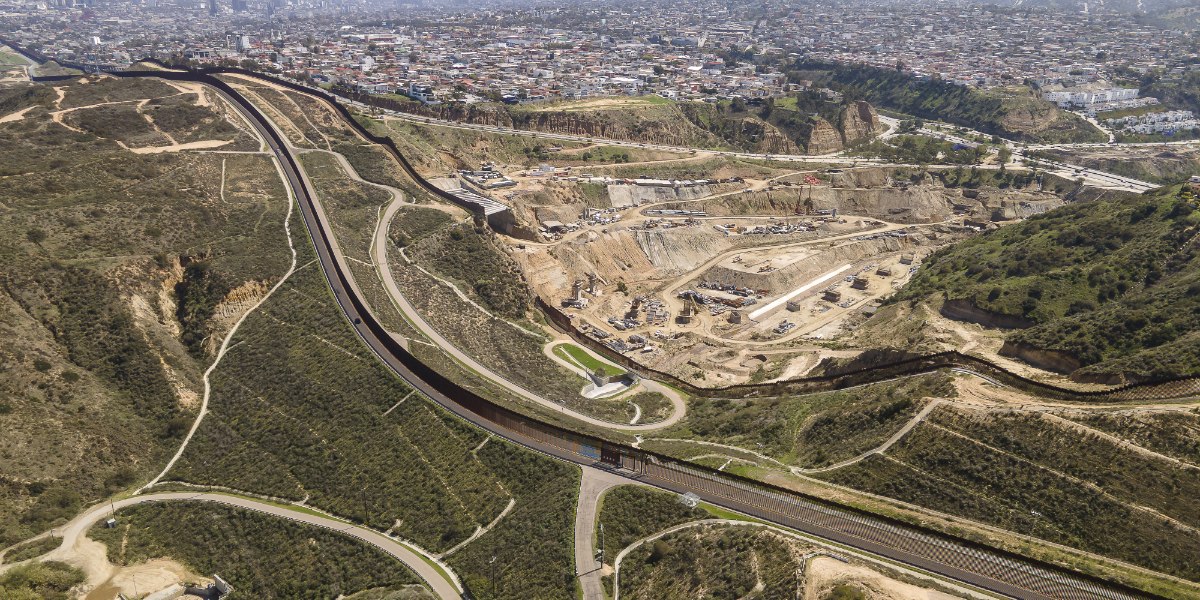
- Constructing and maintaining a sediment basin in Smuggler’s Gulch in Mexico as part of a highway construction project in that area of Mexico. The basin is expected to significantly reduce the amount of sediment entering the United States.
- Constructing a new wastewater treatment plant, known as Tecolote-La Gloria, five miles south of the border in Tijuana.
- Developing a comprehensive Tijuana infrastructure master plan to meet projected population growth.
How Does the Tijuana River Sewage Crisis Affect Public Health?
- Billions of gallons of untreated or partially treated wastewater, industrial chemicals and pathogens flow into the coast off Imperial Beach each year. A San Diego State University study calls the situation one of the most severe public health and infrastructure crises in the United States. In 2025, Silver Strand State Beach, home to Navy SEALS training, had unsafe fecal-bacteria levels on 265 days. The International Boundary and Water Commission documented 100 billion gallons of untreated sewage, industrial waste and urban runoff flowing into the Tijuana River during one recent five-year period, and an estimated 2.3 billion gallons of untreated wastewater sluiced through during Tropical Storm Hillary in August of 2023.
- A 2024 Community Assessment for Public Health Response (CASPER) by the Centers for Disease Control and Prevention and the County of San Diego Public Health Services found that 70% of surveyed households reported health problems they attributed to the Tijuana River pollution. Reported health issues include headaches, nausea, upset stomach, cough, irritated throat and various other symptoms.
- According to a 2026 study in Environmental Pollution, researchers detected human-associated viral markers and enteric viruses in air samples near the Tijuana River and Imperial Beach, suggesting that inhalation may be a previously underrecognized exposure pathway in contaminated coastal environments.
- According to a 2026 BMC Public Health study, border community members reported high levels of concern about local air and water quality, frequent exposure to strong odors and a range of health symptoms, including respiratory and gastrointestinal symptoms.
How Does the Tijuana River Sewage Crisis Affect the Environment?

The environmental impacts extend far beyond wastewater infrastructure. Sewage-laden discharges from Tijuana contaminate the Tijuana River, its estuary and adjacent coastal beaches, creating persistent ecological risks, perhaps most prevalent at the Tijuana River Estuary. The estuary supports more than 370 bird species and at least eight threatened or endangered plants and animals, including the endangered light-footed Ridgway’s rail and the California least tern, the smallest of the tern species. It is a critical stopover on the Pacific Flyway for migratory birds, a nursery for fish—including young halibut and leopard sharks, a natural filter that prevents pollutants and sediments from reaching the ocean, and an important carbon sink (coastal salt marsh wetlands, mangroves, and seagrasses can capture and store carbon at 10 times the rate of mature tropical forests).
How Does the Tijuana River Sewage Crisis Affect Local Communities?

Residents who live within a short walk from the beach are regularly precluded from enjoying the outdoors because of routine sewage spills. For many, it gets worse. As stated in Science magazine: “Communities along the Tijuana River Valley have endured decades of environmental pollution, with a public health crisis now clearly linked to airborne exposure of wastewater-derived pollutants. Such prolonged exposure without adequate protection or timely intervention highlights an environmental injustice that demands action. Immediate actions—such as diverting wastewater away from the Tijuana River and implementing localized air monitoring—can sharply reduce toxic exposures, but long-term solutions require upstream treatment infrastructure, strengthened regulatory oversight and binational collaboration to reduce pollutant discharges at their source. As the number of heavily polluted water bodies grows with ever-increasing inputs, ignoring water-to-air contaminant emissions in air quality management allows hidden risks to persist. Recognizing and addressing this airborne exposure pathway is critical to protecting vulnerable populations and advancing global health equity.”
What Solutions Are Being Pursued to Address the Tijuana River Sewage Crisis?
Among the measures being considered is a county-wide citizen initiative on the November 2026 ballot that would provide a locally dedicated source of funding to address the crisis. The initiative is called Measure B, the San Diego County Health and Safety Act. If approved by voters, it could generate up to $450 million annually to help address federal and state budget gaps affecting the Tijuana River sewage crisis, healthcare and social services, and public safety. Approximately 22% of the revenue raised would be dedicated to projects addressing Tijuana River pollution. An informational funding allocation analysis prepared by San Diego County Supervisor Paloma Aguirre illustrates how an assumed $80 million annual funding stream could be used for eligible Tijuana River projects.
Like many ballot measures, the proposal also raises broader public policy questions. Public discussion includes whether a permanent, dedicated local sales tax is the most appropriate way to fund these investments at a time of heightened cost-of-living pressure on residents, the respective roles of federal, state, regional, local, and binational partners in addressing the Tijuana River sewage crisis, and how responsibility for funding and implementation should be shared or pursued through existing budget reallocation, bonds or continued advocacy for state and federal funding. Additional information about these topics is available here [add microsite website link].
Infrastructure Improvements
The San Diego Regional Chamber of Commerce in March of 2026 released a Prebys Foundation-funded “Five Pillar Framework for Binational Solutions” that calls for:
- Reliable infrastructure funding and rehabilitation of critical assets
- A more reliable and modernized operations and maintenance program
- Strengthened governance and accountability through a two-tier oversight structure
- Enhanced public communication and transparency
- Long-term water management, reuse and planning
Approximately $650 million in federal and state funding was secured through the IBWC to repair and update the South Bay International Wastewater Treatment Plant, aiming to reduce the chronic overflows that send raw sewage from Tijuana into the United States.
“No community should have to live with the health risks caused by ongoing sewage contamination,” said Chris Howard, President and CEO of Sharp Healthcare and Chair of the San Diego Regional Chamber of Commerce board. “Addressing the Tijuana River crisis is critical to safeguarding public health and ensuring the long-term well-being of our region.”
Improved Coordination
The current crisis is far too complex for a one-size-fits-all approach. Solutions must be comprehensive. San Diego Foundation and the International Community Foundation have been collaborating on funding innovative approaches through the Binational Resilience Initiative (BRI) that has promoted green infrastructure practices—such as rain gardens, permeable surfaces and urban vegetation—nearer to the river’s headwaters in Tecate to capture stormwater where it falls, reducing peak runoff volumes and pollutants that would otherwise flow downstream. By improving the capture and beneficial use of stormwater in the upper Tijuana River basin, such projects can increase groundwater recharge, reduce erosion and sediment delivery, and capture trash and nutrients before they enter overburdened storm channels.
Since 2022, BRI has awarded more than $3 million in grants to some 30 binational projects involving more than 55 nonprofit partners in the United States and Mexico. Recent grants include:
- San Diego Coastkeeper & Proyecto Fronterizo de Educación Ambiental: $102,250 for a joint water quality monitoring system and expanded public data platform for the Tijuana River watershed One Coastal Community.
- Universidad Autónoma de Baja California & 4 Walls International: $103,000 for a binational hydrological model of the Tijuana River watershed to improve water quality and stormwater management.
- Institute of the Americas and Centro Mexicano de Derecho Ambiental: $99,977 to advance water re-use literacy and policy collaboration across the border.
- Tijuana Estuary Foundation & Fundación La Puerta: $101,065 to promote green infrastructure and small-scale water treatment solutions in the upper Tijuana River basin in Tecate.
- Reef Check Foundation & ECOCIMATI (Ecologia, Cielo, Mar y Tierra): $100,000 for assessing the health of kelp forests in San Diego and Tijuana as vital natural defenses around water treatment outflows.
Without community investment at the appropriate scale, tailored to the size of the problem and supplementing public funding for hard infrastructure projects with philanthropic investments, philanthropy alone cannot fill the gap. The region cannot guarantee long-term accountability, environmental cleanup and pollution prevention, health protection, or binational coordination—regardless of how much money is spent on pipes and pumps.
“The Tijuana River crisis requires a holistic approach if we are going to make any headway in impacting this environmental disaster,” said Yamilett Carillo, Assistant Director of San Diego Foundation’s BRI Fund. “Only when we work together, will we see real progress.”
Water Reuse and Long-Term Planning
Small-scale water treatment systems can intercept contaminated flows from neighborhoods or businesses that are not adequately served by centralized plants, reducing sewage borne pathogens and toxic chemicals that reach the estuary.
Recycling treated wastewater also is seen as a key component in alleviating the crisis, with recycled water potentially being used to recharge aquifers, states a research paper titled Urban Sanitation Programs on Mexico’s Northern Border and the Circular Economy Approach.
Sustained Funding
Many reports identify long-term funding as one of the key requirements for maintaining infrastructure and supporting future improvements. Backers of Measure B, the San Diego County Health and Safety Act argue the measure will ensure ongoing, local funding. Opponents have questioned whether a permanent sales tax increase is the right mechanism for this funding or whether alternatives such as reallocating existing county funds would better relieve cost-of-living pressure on residents already struggling with affordability.
Looking Ahead

The Tijuana River watershed and the Cali–Baja coastal region face an urgent and long-running pollution crisis driven by failing wastewater systems, cross-border stormwater flows, trash, sedimentation and rapid urbanization in the Tijuana metropolitan area. This crisis threatens public health, ecosystems, coastal economies and binational trust. While governments on both sides of the U.S.–Mexico border are mobilizing more than $600 million in infrastructure investments, these projects alone cannot solve the problem.
Researchers agree that, in addition to infrastructure improvements, meaningful progress will require continued collaboration, an unshakeable commitment to ongoing maintenance and sustained commitment from stakeholders on both sides of the border.
The Tijuana River sewage crisis illustrates how environmental, public health and infrastructure challenges can extend beyond political borders. While significant investments and policy commitments are underway, experts broadly agree that long-term success will depend on sustained infrastructure funding, reliable maintenance, scientific monitoring and continued collaboration between governments, nonprofits, researchers and local communities on both sides of the border.
Frequently Asked Questions
Why does the Tijuana River sewage crisis matter to San Diegans?
The Tijuana River watershed spans both the United States and Mexico, and the impacts extend well beyond the border. According to research cited in this article, people who live, work and visit the area may be exposed to contaminated coastal waters associated with gastrointestinal, dermatological and respiratory illnesses. The crisis also affects beaches, local businesses, tourism, ecosystems and quality of life throughout the region.
Why is the Tijuana River sewage crisis so difficult to solve?
The crisis is not caused by a single spill or infrastructure failure. Experts point to aging wastewater infrastructure, population growth, deferred maintenance, inadequate treatment capacity and the challenges of managing a shared watershed across an international border. Lasting progress requires sustained funding, ongoing maintenance and coordination between governments in the United States and Mexico.
Who is working to address the Tijuana River sewage crisis?
Multiple local, state and federal agencies in the United States and Mexico are involved in response efforts. Universities, nonprofit organizations and philanthropic partners are also supporting research, infrastructure improvements, green infrastructure projects and cross-border collaboration to help reduce pollution and improve watershed health.
What will it take to make lasting progress?
Researchers and experts cited throughout this article agree that meaningful progress will require continued investment in wastewater infrastructure, reliable long-term funding, ongoing maintenance and sustained collaboration among governments and stakeholders on both sides of the U.S.-Mexico border.



Get the facts. Stay informed.
Sign up for Measure B updates, research and community stories from San Diego Foundation.